GSE Tech(Suzhou)  Co., Ltd.
News

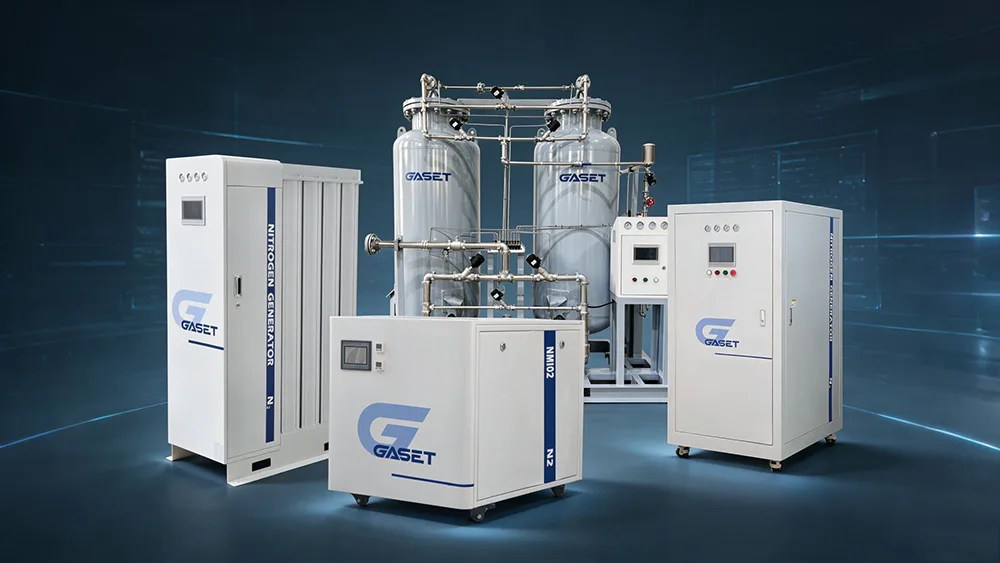
Why A Nitrogen Buffer Tank Is Indispensable For PSA Nitrogen Generator Systems

2026-09-14 0 Leave me a message

Many buyers shopping for PSA pressure swing adsorption nitrogen generators often raise a common question:


A complete PSA nitrogen generation system always comes with a nitrogen storage tank at the outlet end. Since PSA nitrogen generators can produce nitrogen 24/7 continuously, why add a nitrogen buffer tank?


Most customers regard the tank merely as a simple vessel for nitrogen storage. In fact, it plays a far more critical role. Within the whole PSA nitrogen supply system, the nitrogen buffer tank is a core component to balance gas production, stabilize pressure and adapt to fluctuating working conditions. It directly determines gas supply stability and the service life of your nitrogen generation equipment.


1. Core Value: Bridge The Gap Between Nitrogen Production And Consumption


To start with, let’s clarify the division of work in a full nitrogen system: the nitrogen generator delivers steady gas output, while the nitrogen buffer tank handles fluctuating nitrogen demand.


Industrial nitrogen consumption is dynamic. The factory may run at low, stable nitrogen load most of the time, but sudden peak nitrogen demand occurs when production lines start up. PSA nitrogen generators are designed for constant, steady operation and cannot quickly respond to irregular spikes in nitrogen usage on the shop floor. In this scenario, the nitrogen tank works just like a water reservoir to balance supply and demand.


Without a buffer tank, instantaneous nitrogen demand exceeding the rated output of the nitrogen generator will create a gas shortage, leading to sharp pressure drops. This disrupts the alternating adsorption & regeneration cycle of the generator’s twin towers. Unstable nitrogen supply impairs high-precision processes such as laser cutting, heat treatment and electronic welding, lowering product yield. Long-term pressure fluctuation also damages the main nitrogen generator unit.


With a nitrogen buffer tank installed: excess nitrogen is stored during low-consumption periods and released instantly to cover peak demand. Once the peak ends, the PSA generator refills the tank gradually. It maintains continuous gas supply and stable pressure all the time, eliminating supply risks caused by variable working conditions.


Additionally, the buffer tank decouples the nitrogen generator from end-users. The precision nitrogen production unit no longer needs frequent adjustments or start-stop cycles following factory nitrogen demand changes. Steady upstream gas production paired with flexible downstream consumption greatly improves overall system reliability.


2. Hidden Benefits: Pressure Stabilization, Equipment Protection & Cost Reduction


Beyond buffering consumption fluctuations, the nitrogen buffer tank offers three easily overlooked advantages essential for industrial operations.


① Smooth pressure fluctuation and guarantee consistent nitrogen quality

PSA nitrogen generators rely on twin-tower cyclic operation, which creates constant internal pressure variation. Drawing gas directly from the generator outlet transmits pressure swings to production equipment and destabilizes manufacturing processes. The nitrogen buffer tank acts as an efficient pressure damper to eliminate pressure differences from tower switching, delivering constant-pressure high-purity nitrogen to stabilize production.


② Cut start-stop cycles and extend equipment service life

Many factories face big day-night differences in nitrogen demand: heavy consumption in daytime and minimal usage overnight. Without a buffer tank, the nitrogen generator will start and stop repeatedly. Frequent cycling wears core components and raises failure risks. With the tank, surplus nitrogen is stored in off-peak hours and released during peak periods. The main generator runs continuously and smoothly, reducing wear, noise and maintenance costs.


③ Avoid over-sizing investment and accommodate short peak loads

Most industries have brief nitrogen demand peaks that last seconds or minutes. If you size the nitrogen generator purely based on these peak values, you will end up with oversized equipment and inflated procurement & power costs. By adding a nitrogen buffer tank, you can select the generator according to average daily nitrogen consumption. The tank handles short demand spikes, matching actual working conditions precisely and cutting capital and operating expenditure.


3. Sizing & Installation Pitfalls: Bigger Is Not Always Better; Placement Matters


Many users fall into misconceptions when selecting and installing nitrogen buffer tanks, resulting in poor system matching and wasted investment.


The key misunderstanding: tank volume is not the larger the better. Tank sizing requires precise calculation based on on-site conditions, including nitrogen generator output, average consumption, maximum instantaneous flow, pressure requirements, equipment runtime and emergency backup duration.


Important note: the buffer tank only mitigates short-term gas fluctuation. It cannot compensate for permanent insufficient capacity. If your factory’s long-term nitrogen consumption exceeds the generator’s rated capacity, simply upgrading to a larger tank will not solve the problem. You need to expand the main nitrogen generator instead.


Installation sequence rule: the nitrogen buffer tank must be fitted on the outlet side of the PSA nitrogen generator.

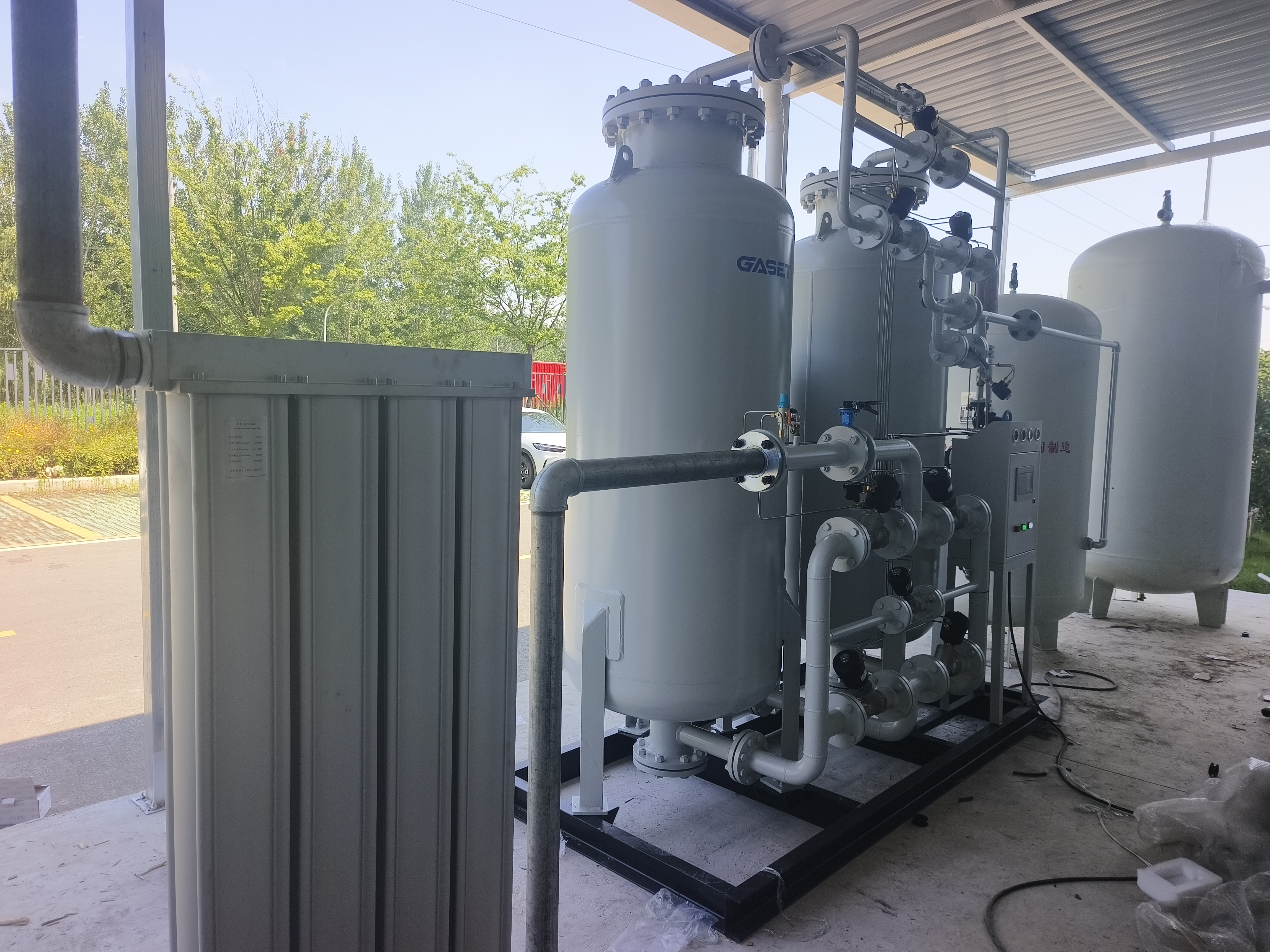
Full system flow: Air compressor → Air receiver → Air purification system → PSA Nitrogen Generator → Nitrogen buffer tank → End-user equipment.


The two storage tanks serve totally different purposes. The upstream air receiver buffers compressed air for the nitrogen generator. The downstream nitrogen buffer tank stabilizes and stores finished nitrogen for production lines. They cannot replace each other.


4. Safe Operation & Summary


Sizing, installation and daily maintenance of nitrogen buffer tanks must comply with industry standards to remove safety hazards. During operation, regularly inspect safety valves, pressure gauges and pipe connections. Carry out blowdown drainage periodically, remove condensate and impurities inside the tank, apply anti-corrosion treatment and complete periodic inspections to secure long-term safe operation.


The core value of a nitrogen buffer tank is not merely nitrogen storage, but buffering, pressure stabilization, working condition adaptation and equipment protection. The generator produces nitrogen steadily while the tank balances consumption spikes. Together they deliver four key benefits: buffer demand fluctuation, stabilize outlet pressure, support short peak loads and reduce equipment wear. This combination maximizes the stability and cost-efficiency of your nitrogen supply system.


To put it simply: the nitrogen generator produces nitrogen, the buffer tank absorbs fluctuations, and the production line consumes gas. Synergy of these three parts forms the optimal solution for stable industrial nitrogen supply.


If you are looking for a complete PSA nitrogen generator solution with properly sized nitrogen buffer tanks tailored to your working conditions, contact our engineering team for professional consultation and quotation.

Related News
Leave me a message
X
We use cookies to offer you a better browsing experience, analyze site traffic and personalize content. By using this site, you agree to our use of cookies. Privacy Policy
RejectAccept