GSE Tech(Suzhou)  Co., Ltd.
News

PSA Nitrogen Generators: Twin-Tower vs Modular Type – Key Comparison for Industrial Gas Selection

2026-09-30 0 Leave me a message

The Pressure Swing Adsorption (PSA) technology dominates industrial nitrogen production globally. The working principle of PSA nitrogen generators is straightforward: compressed air flows into adsorption vessels filled with carbon molecular sieve, which preferentially adsorbs oxygen while nitrogen exits from the outlet. Once saturated, the sieve undergoes depressurisation to desorb and release oxygen, then repressurises to start the next adsorption cycle.

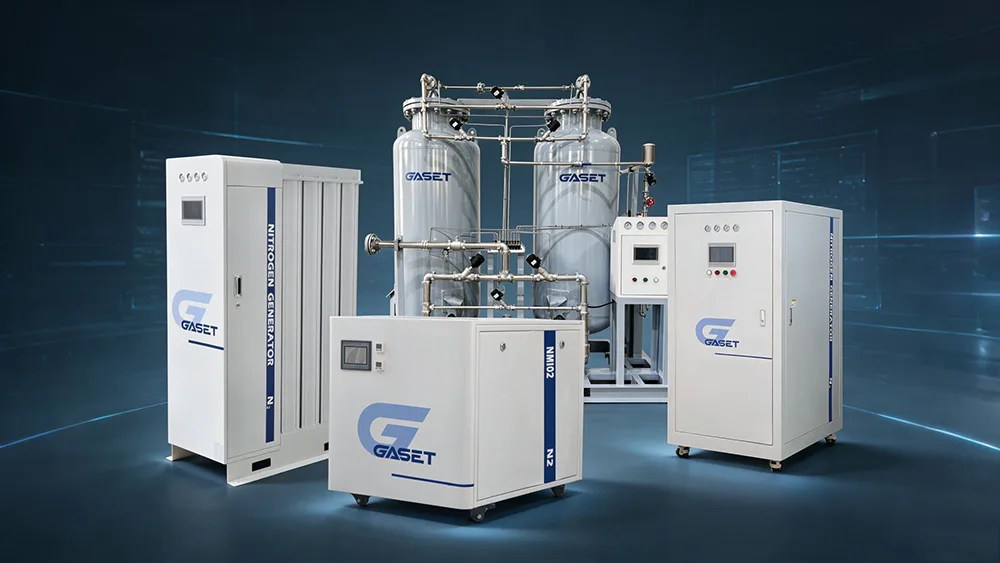
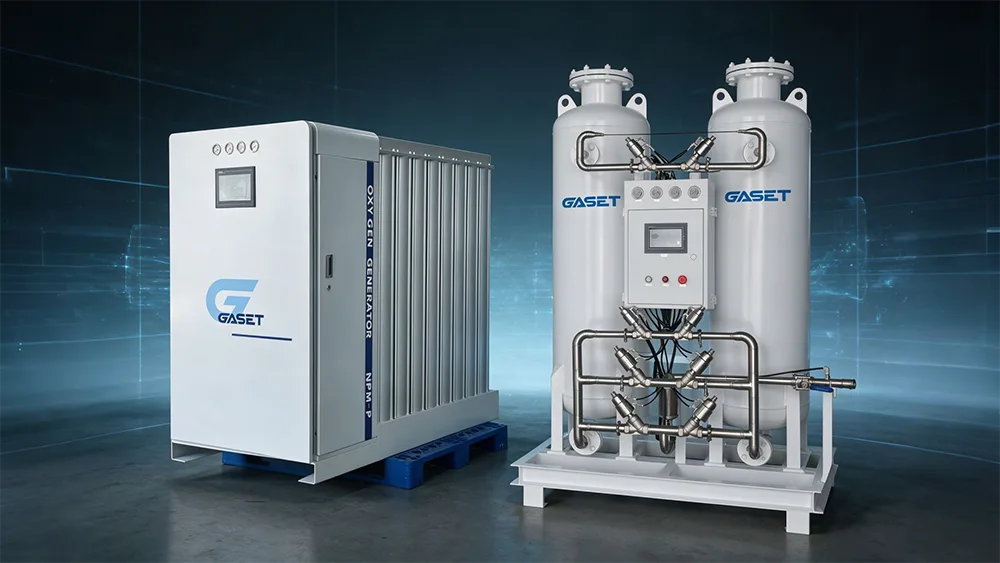
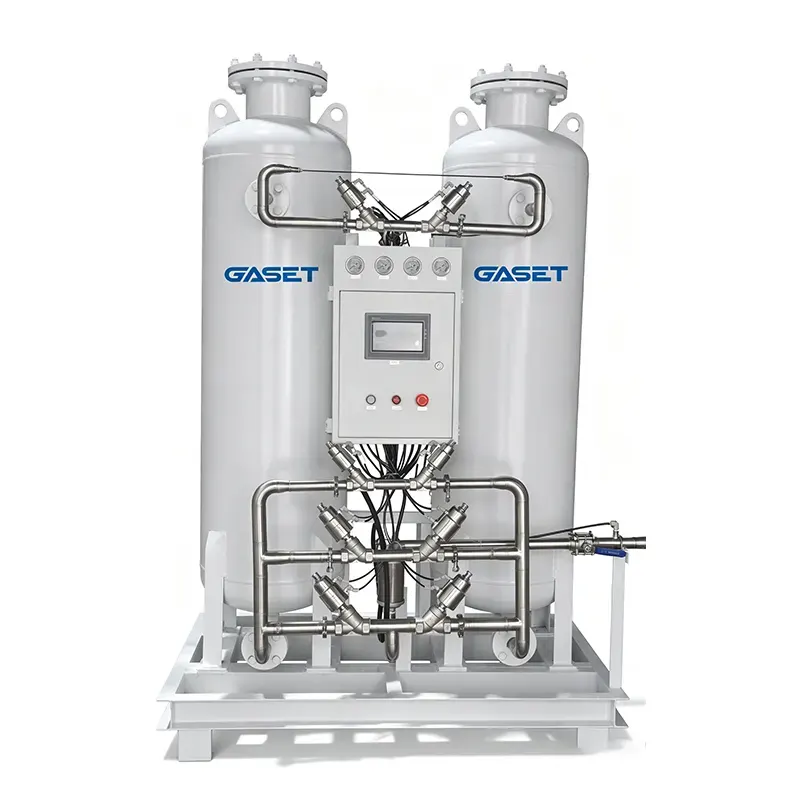
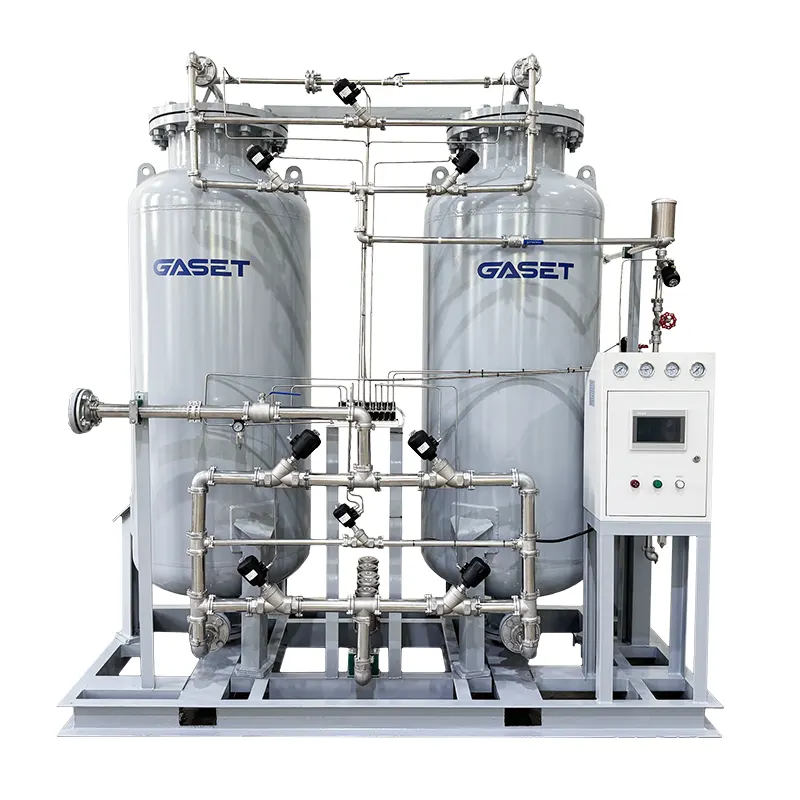
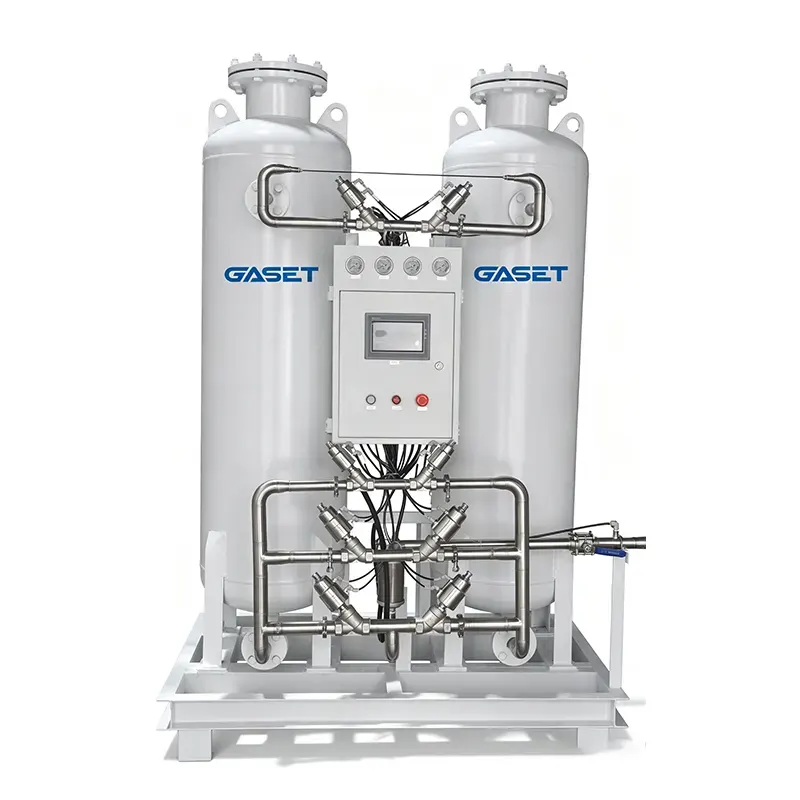
Two mainstream PSA configurations are available on the market: twin-tower and modular designs. A common misconception treats them as old and new generations of products, but they operate on identical principles and deliver nitrogen of equivalent purity. The core differences lie in vessel construction and switching logic.

Such structural variations create distinct advantages and drawbacks across six critical dimensions, which this article compares under consistent operating conditions. It does not declare one design universally superior; final selection depends on actual gas consumption profiles and site constraints.


1. Footprint & Structure

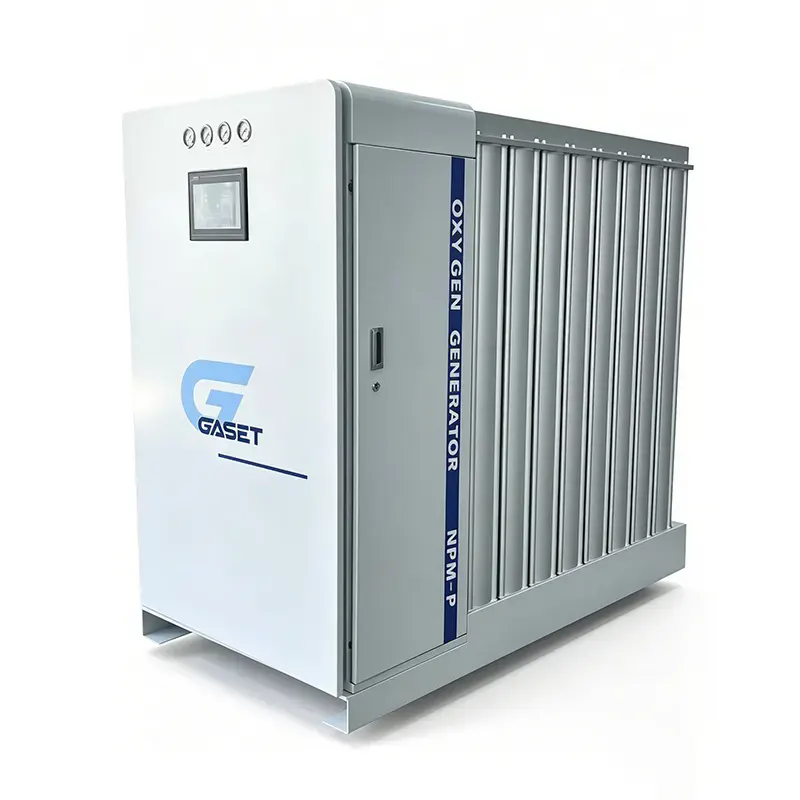
Once the two adsorption towers of a twin-tower unit are specified, the minimum overall equipment volume is fixed. For the same nitrogen output, modular systems typically occupy only 1/2 to 1/3 of the floor space.

This difference has limited impact for newly built factories. However, for plant retrofits, rented workshops or installations directly beside production lines, twin-tower units often must be placed at factory edges, leading to longer piping, increased pressure loss and higher power consumption.


2. Pressure Vessel Compliance (Most Significant & Frequently Overlooked)

Per pressure vessel safety regulations, vessels are subject to official supervision when all three criteria are met: working pressure ≥0.1 MPa(g), volume ≥0.03 m³ (30L) with inner diameter ≥150mm, and filled with gas, liquefied gas or liquid whose maximum working temperature exceeds its standard boiling point. Any criterion unmet removes it from regulatory scope.

Single adsorption towers of twin-tower generators commonly exceed 30L and qualify as pressure vessels. Owners must complete registration, periodic inspections, assign certified operators and maintain equipment ledgers. Modular units adopt aluminium alloy cavities; each individual module volume is kept below 30L, falling outside pressure vessel regulatory control.


3. Ramp-up Speed & Purity Stability


Twin towers feature large vessel volumes and require extended time to pressurise and reach adsorption equilibrium. It normally takes 15–30 minutes from startup to achieve qualified nitrogen purity, and purity fluctuates during valve switching, requiring adequately sized buffer tanks to stabilise output. Modular beds have smaller individual chamber volumes and shorter cycling periods, reaching stable purity much faster. Multiple modules run in staggered operation to deliver inherently steady gas output.

This performance gap matters greatly for sensitive applications such as carrier gas for chromatographs and thin-plate laser cutting, where purity fluctuations directly reduce product yield.


4. Load Adaptability

The structural difference shines under variable load conditions. When gas demand drops, modular systems shut down selected modules on demand, synchronising gas production and energy consumption. Twin-tower equipment offers limited adjustability: if demand falls below half of rated capacity, it runs at full load while only delivering half the required output, known as “oversized unit for low load”. This disadvantage becomes more obvious with highly fluctuating gas consumption curves.


5. Noise

The main noise source of PSA nitrogen generators comes from regeneration exhaust, the instantaneous blowdown of high-pressure gas during molecular sieve desorption. Unprocessed exhaust can exceed 100 dB(A). Twin-tower units release larger volumes of gas per blowdown cycle, resulting in higher noise levels and usually requiring extra silencing hardware. Modular units discharge smaller gas volumes per module; the combined overall noise level is lower.


6. Redundancy & Capacity Expansion

Twin-tower setups represent a single-point-failure architecture. Faults in towers or process valves shut down the whole machine. Molecular sieve replacement requires full-tower refilling and long downtime. In modular systems, failure of one module only cuts the output of that single module without halting the whole unit, and molecular sieve can be replaced module by module.

It should also be noted that modular designs incorporate more modules and valves, raising the total number of potential failure points. Their reliability advantage stems not from more durable components, but from isolation of single-point faults to avoid full-line shutdown. Therefore, buyers should carefully evaluate process valve brands and control logic during selection.


When Twin-Tower PSA Nitrogen Generators Remain the Better Choice

Twin-tower solutions are preferable under three scenarios:

  • High gas flow with continuous full-load operation: Twin-tower design delivers economies of scale with lower per-unit gas cost under stable full-load running.
  • Established on-site special equipment management: Facilities already equipped with certified personnel and regular inspection workflows face minimal extra compliance burdens.
  • Upfront budget priority over long-term expenses: Mature twin-tower technology offers abundant standard models and accessible maintenance resources with lower initial purchase cost.


Three Core Questions to Guide Equipment Selection

No complex parameter memorisation required. Answer these three questions to narrow your options:

  • Is gas consumption stable or fluctuating? Continuous full-load use favours twin-tower; volatile or intermittent gas demand suits modular systems.
  • What are site and compliance conditions? Twin-tower works for spacious plants with pressure vessel management capability. Modular systems simplify compliance for space-limited sites where users want to skip registration and annual inspections.
  • Will production expand within the next three years? Modular systems enable simple capacity expansion by adding modules for uncertain or growing demand. For fixed, confirmed gas demand, users can prioritise upfront capital cost.

If two out of three answers point to one type, the optimal selection can be determined.


Full Lifecycle Cost Calculation Matters

While twin-tower equipment may have a lower quotation, buyers should account for recurring expenses: registration fees, periodic inspection charges, production downtime during inspections, certified labour cost and full-tower molecular sieve replacement. Modular systems carry their own costs: a wider range of spare parts for numerous modules and valves, increasing maintenance workload.

In short, savings on the quotation sheet may translate into compliance and operational expenses over years. A proper comparison should cover an 8–10 year lifecycle, incorporating procurement, installation, energy consumption, servicing, sieve replacement and regulatory compliance. The final cost ranking over the full lifecycle often differs from the initial price quote.


Related News
Leave me a message
X
We use cookies to offer you a better browsing experience, analyze site traffic and personalize content. By using this site, you agree to our use of cookies. Privacy Policy
RejectAccept