GSE Tech(Suzhou)  Co., Ltd.
News

Can site‑specific operating conditions shift Modular Industrial Oxygen Production System long‑term output stability?

2026-10-26 0 Leave me a message

Industrial‑gas EPC teams and process‑equipment distributors typically validate modular oxygen systems via factory‑bench acceptance tests. Lab‑based commissioning verifies module switching, nominal oxygen purity and basic inter‑lock logic. Multiple site‑origin stress factors never show up under controlled factory environments. Gradual performance drift appears after months of round‑the‑clock field operation, bringing unplanned production interruptions and elevated maintenance expenditure for end‑user factories.

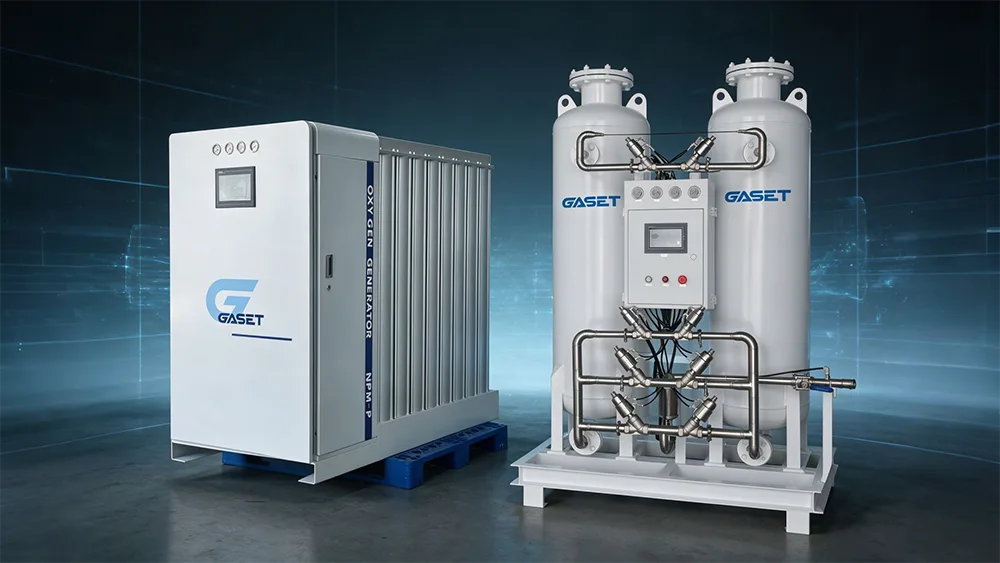
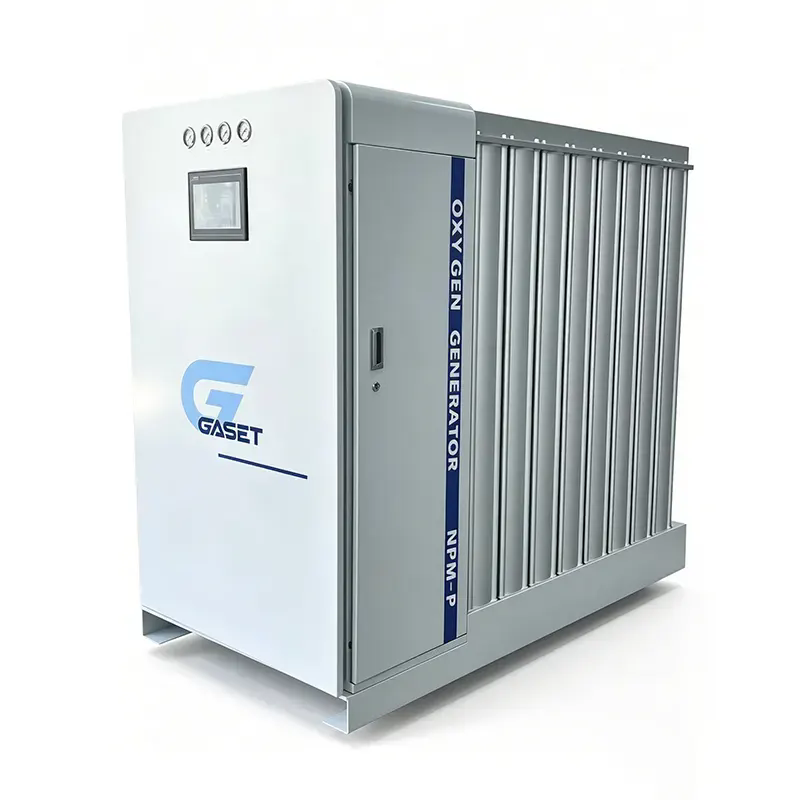
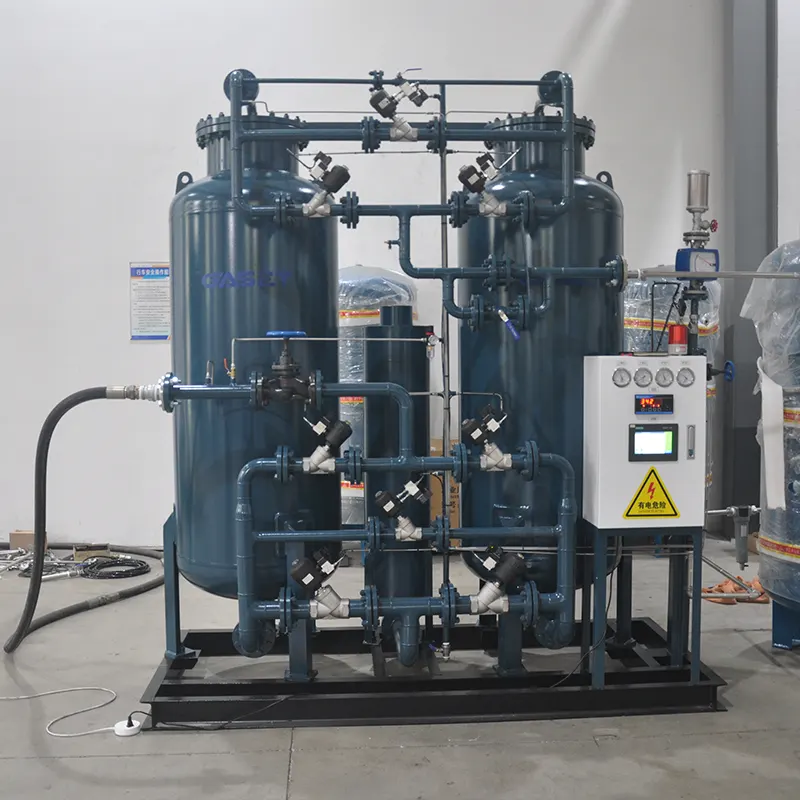
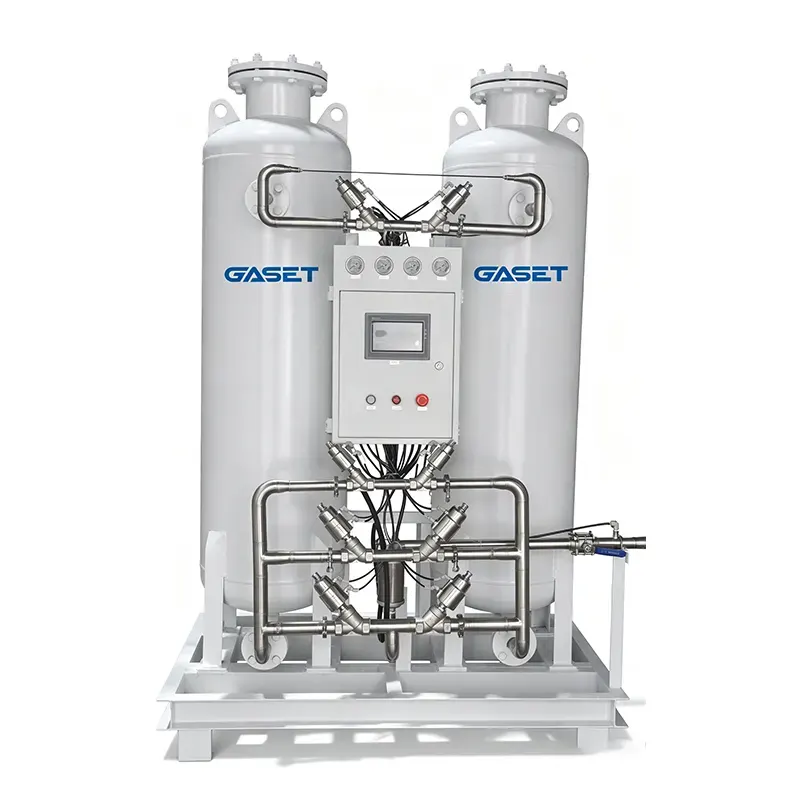
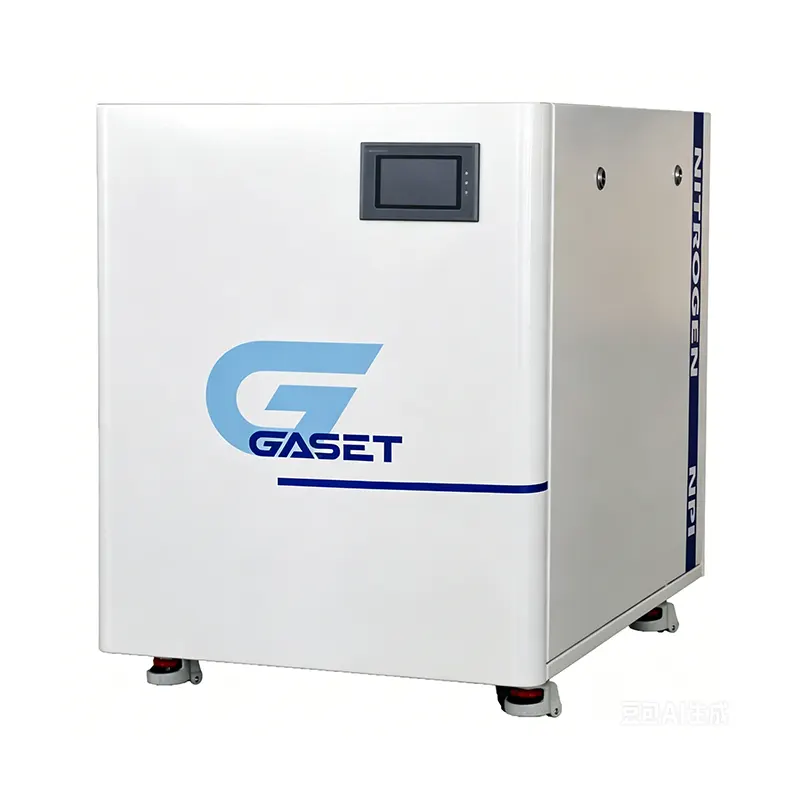
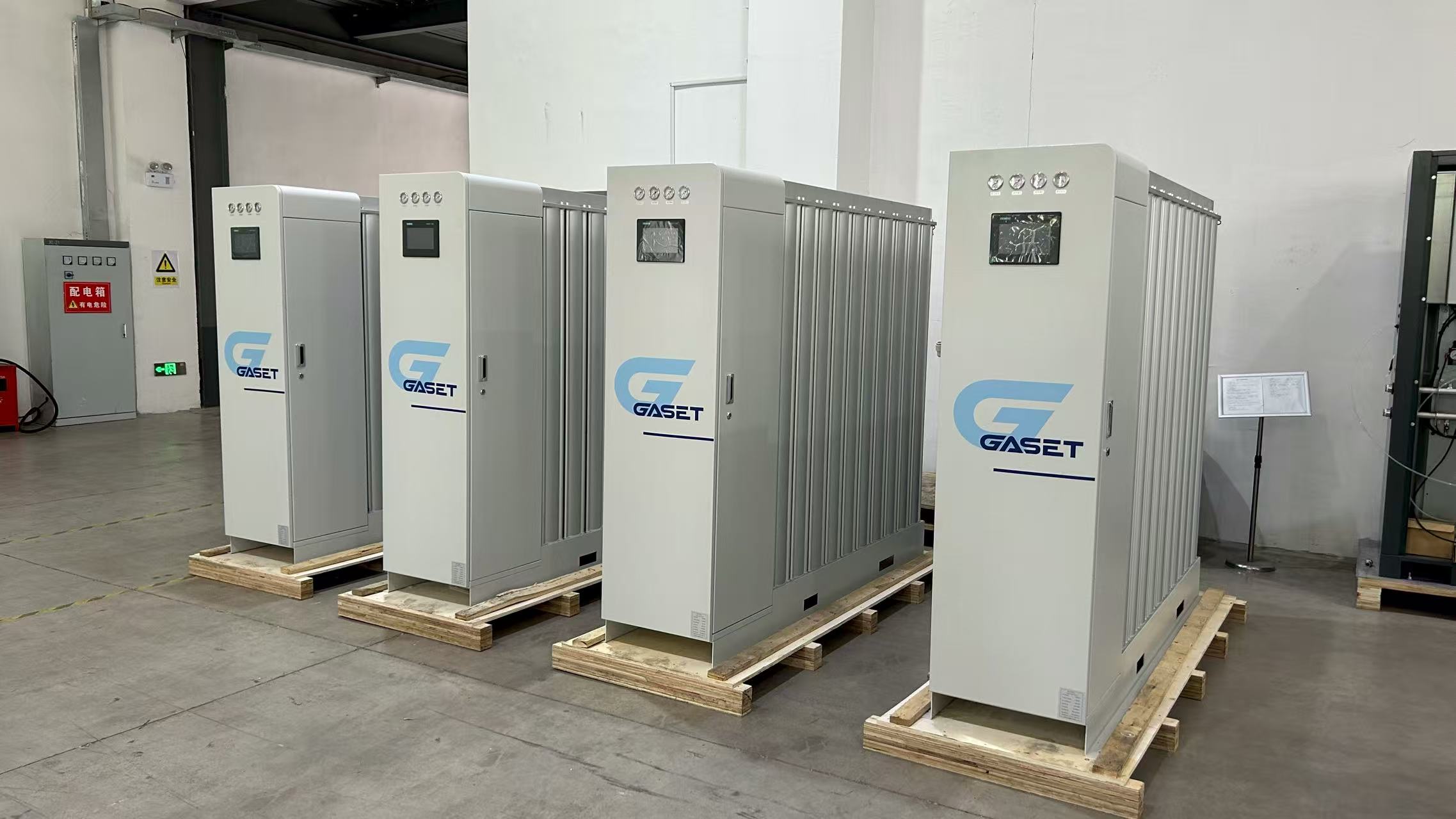
Modular Industrial Oxygen Production System

Four site‑driven risks rarely covered in standard datasheet documentation:

  • Inlet‑air contaminant load accelerating molecular‑sieve bed gradual fouling
  • Recurring transit‑and‑site‑vibration triggering modular pipeline‑joint micro‑leakage
  • Ambient temperature swing interfering with module switching timing and purity consistency
  • Prototype‑based test‑records lacking traceability for actual shipped modular component batches

Inlet‑air contaminant impact on molecular‑sieve service lifespan

Factory acceptance testing uses clean, well‑filtered reference compressed‑air. Real‑world factory sites carry variable oil vapor, fine dust and high‑humidity intake air, even when pre‑purification modules are fitted.

Trace pollutants slowly accumulate inside sieve beds. No obvious immediate fault alarm triggers, yet oxygen purity and effective output degrade month‑by‑month. Simple factory lab tests cannot replicate cumulative fouling from real‑plant inlet‑air profiles.

  • Accelerated contaminant‑exposure ageing test simulating variable‑quality site inlet‑air conditions
  • Monitor purity‑drop tendency under long‑duration cyclic operation instead of short‑run bench‑only checking

GSE Tech completes contaminant‑simulated ageing evaluation for each production unit, to confirm sieve‑system robustness beyond ideal‑condition factory commissioning.

Modular pipeline‑joint integrity facing combined logistics and on‑site vibration

Bench‑tested systems sit stationary inside workshop premises. Ocean container transit plus on‑site plant machinery vibration impose repeated micro‑movement on every quick‑connect modular interface and gasket‑sealed pipeline joint.

Initial pressure‑holding tests pass perfectly at factory. Micro‑leaks slowly emerge after shipment installation. Small‑scale gas loss lowers overall system efficiency and disturbs pressure‑switching cycles of parallel‑running adsorption modules.

  • Full‑unit simulated transit‑vibration cycling prior to factory release
  • Post‑vibration pressure‑decay leak‑check covering every modular quick‑installation interface

Wide ambient‑temperature fluctuation altering module‑switching performance

Factory commissioning executes within stable indoor temperature ranges. Target end‑user facilities may experience large diurnal temperature swings, from freezing winter nights to high‑heat summer plant‑house conditions.

Temperature drift changes valve‑response speed, sieve adsorption characteristics and sensor reading offsets. Individual modules deviate from calibrated timing logic, creating inconsistent oxygen purity across parallel‑switched units without triggering hard‑fault alarms.

  • Climatic‑chamber testing covering low‑to‑high temperature boundary working‑range
  • Verify automatic module‑isolation function under temperature‑shift induced minor‑parameter‑drift scenarios

Modular‑component traceability separating prototype validation from serial‑production hardware

EPC project approvals often depend upon prototype‑unit test‑dossiers. During mass‑serial manufacturing, valves, sensors and sieve‑fill batches may change without corresponding updated performance‑validation paperwork.

Since multiple modules combine into one complete system, partial component substitution may go unnoticed. Generic prototype‑test‑files lose validity for third‑party industrial‑safety and process‑equipment audits.

  • Bind each finished‑system batch‑code against every critical sub‑module component part‑number and sieve‑fill lot‑number
  • Issue project‑specific English audit‑ready dossiers instead of circulating undated prototype qualification‑reports

Targeted technical‑clause checklist for modular oxygen‑system procurement teams

  1. Request contaminant‑simulated ageing test results instead of only clean‑air short‑duration factory acceptance logs
  2. Add simulated transit‑vibration plus post‑cycle leak‑verification requirements into purchase‑order specs
  3. Insist on full‑range ambient‑temperature chamber validation for module‑switching and purity‑stability behaviour
  4. Enforce full sub‑module lot‑traceability; refuse reuse of standalone prototype‑system test‑documentation
Related News
Leave me a message
X
We use cookies to offer you a better browsing experience, analyze site traffic and personalize content. By using this site, you agree to our use of cookies. Privacy Policy
RejectAccept