GSE Tech(Suzhou)  Co., Ltd.
News

How Does a Membrane Integrated Nitrogen Generator Improve Industrial Gas Supply?

2026-09-02 0 Leave me a message

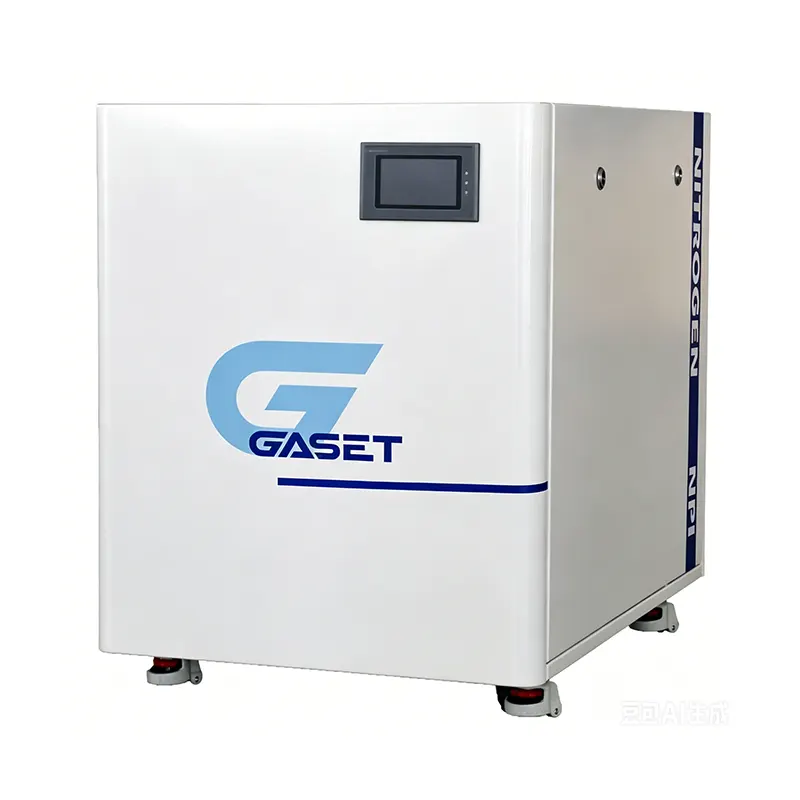
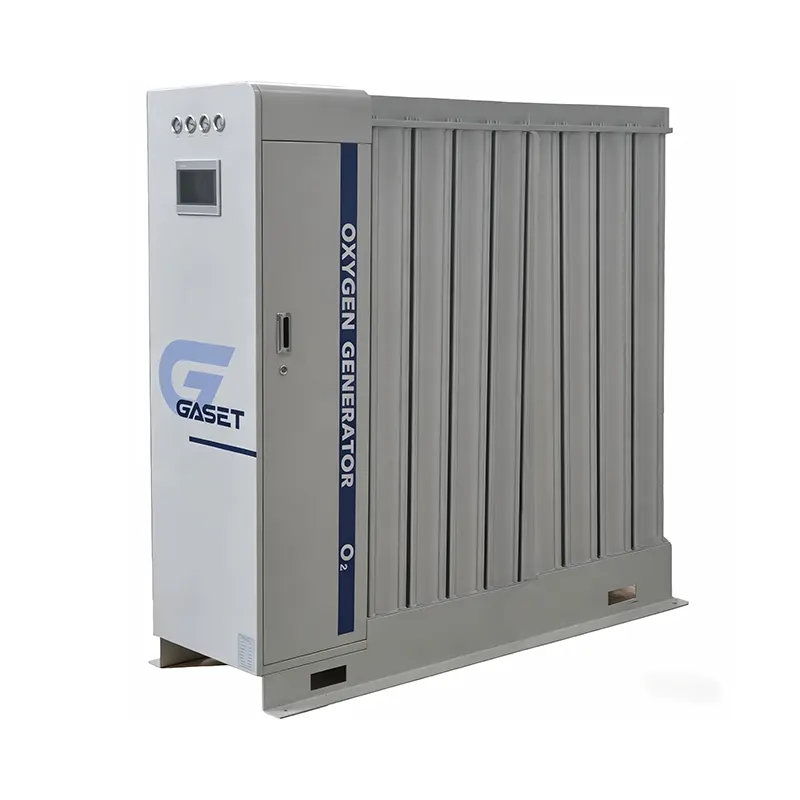
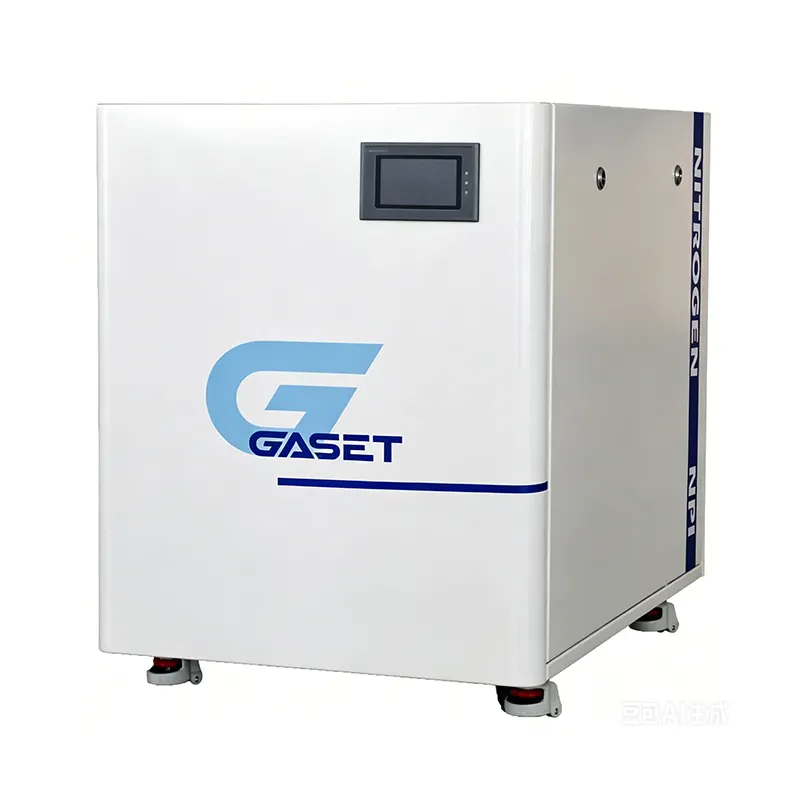
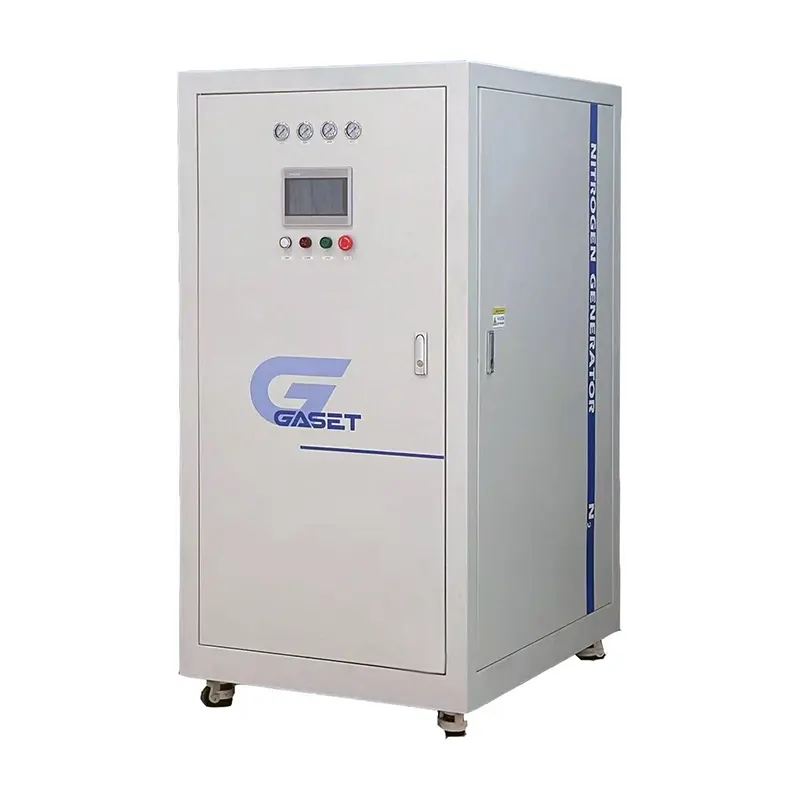
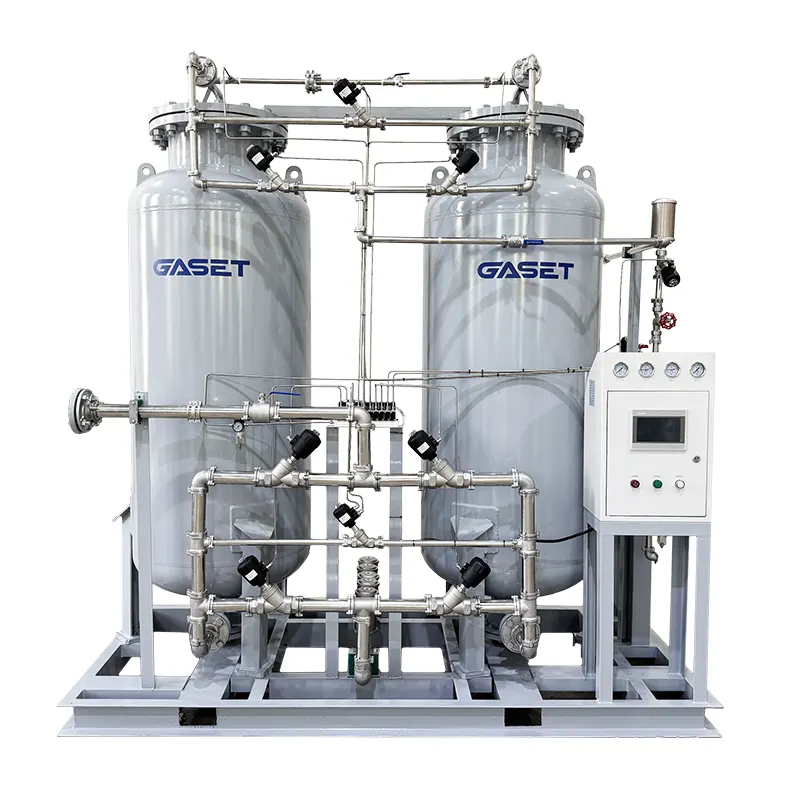
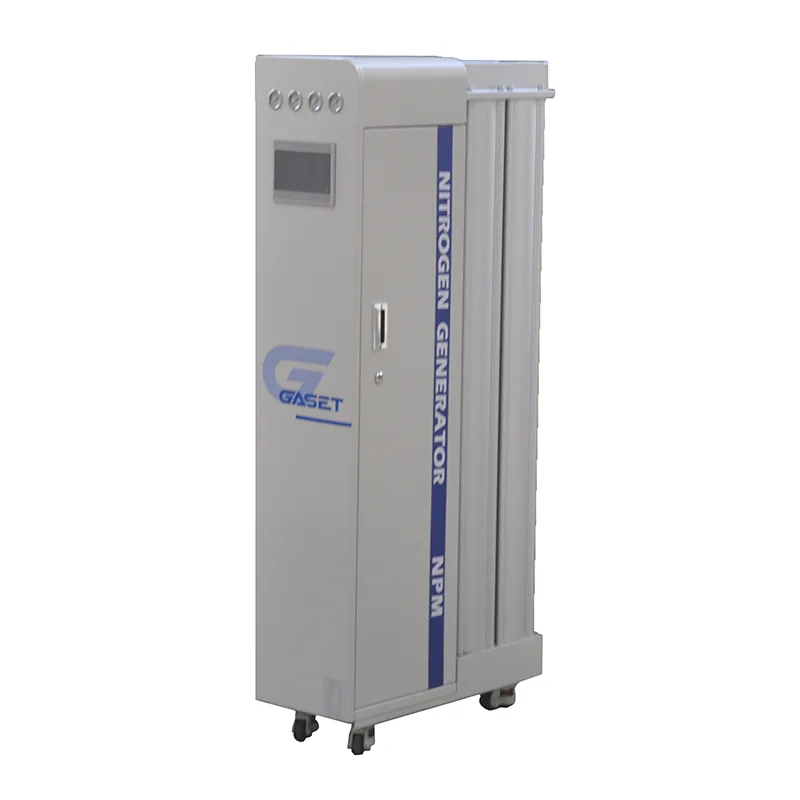
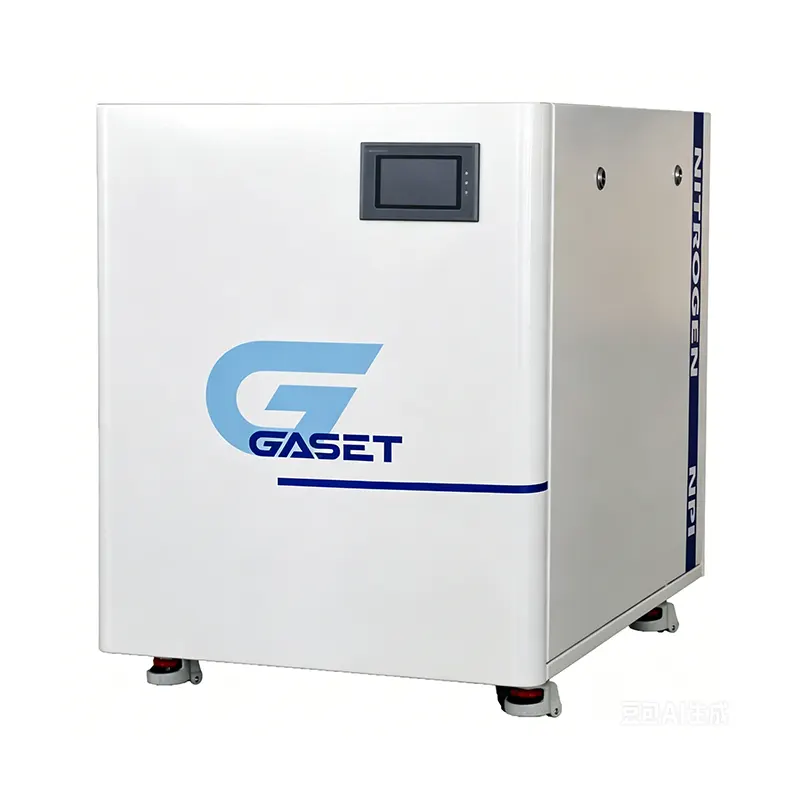
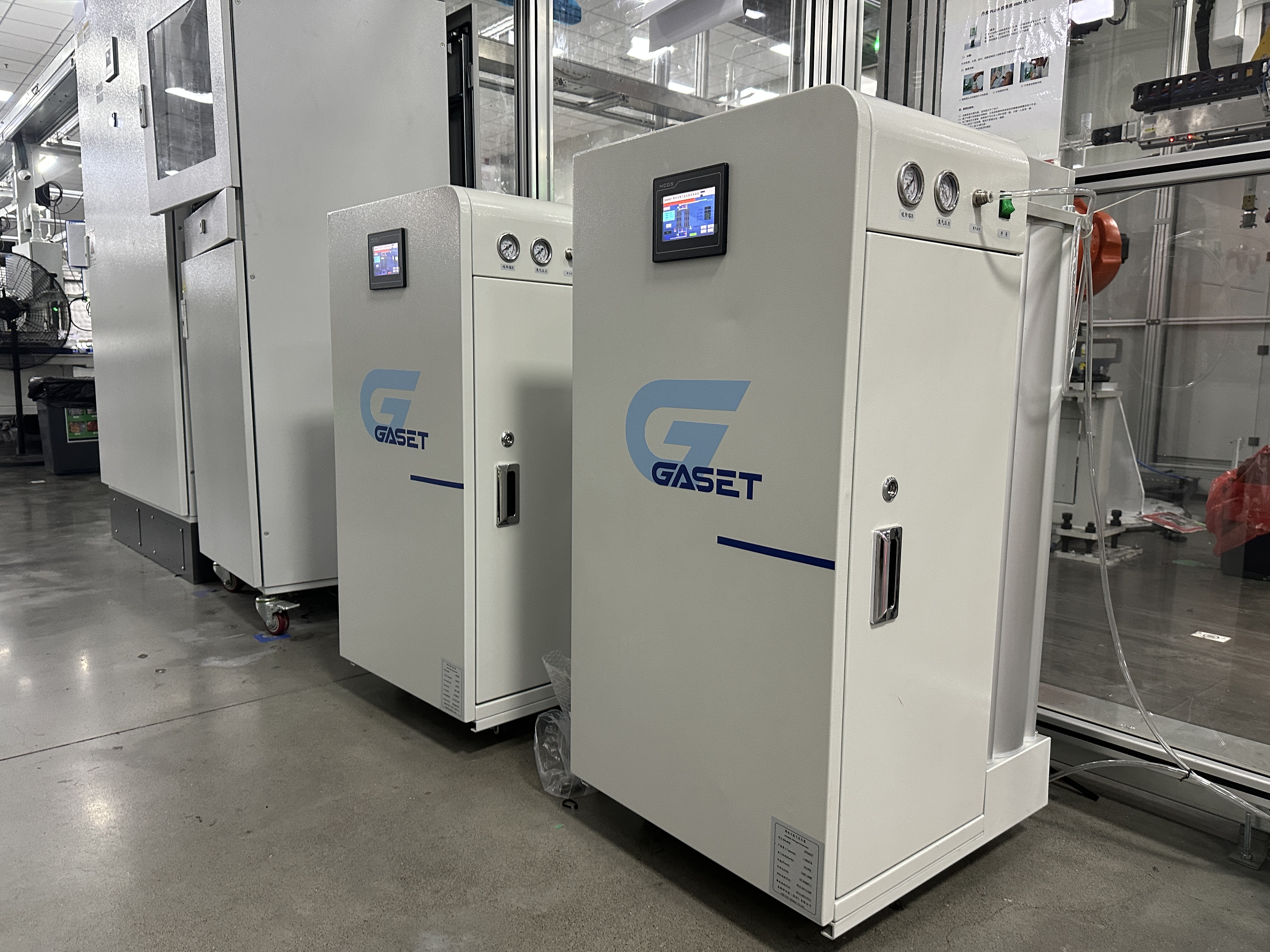
A membrane integrated nitrogen generator can provide an efficient on-site source of nitrogen for industrial processes that require a controlled, reliable and continuous gas supply. Instead of depending entirely on delivered nitrogen cylinders or bulk liquid nitrogen, membrane technology separates nitrogen from compressed air and supplies nitrogen directly where it is needed. This article explains how a membrane integrated nitrogen generator works, its main components, advantages, application areas, selection considerations and operating requirements. It also examines how an integrated system can help businesses simplify nitrogen production, reduce logistical dependence and maintain a more consistent gas supply.

membrane integrated nitrogen generator

◆ ◆ ◆

1. Understanding the Membrane Integrated Nitrogen Generator

Nitrogen is widely used across manufacturing, food processing, electronics, chemical production, metal treatment, oil and gas, packaging and many other industries. Although atmospheric air contains a large amount of nitrogen, industrial processes often require nitrogen with controlled purity, pressure and flow.

A Membrane Integrated Nitrogen Generator is an on-site gas generation system designed to extract nitrogen from compressed air through a selective membrane separation process. The membrane allows certain gases to pass through more quickly than others, making it possible to produce a nitrogen-rich gas stream.

The word “integrated” is particularly important. Rather than treating the membrane as an isolated component, an integrated system combines air preparation, filtration, membrane separation, control equipment, monitoring and supporting components into a coordinated nitrogen generation solution.

This approach can be useful for industrial users that want to generate nitrogen close to the point of consumption while reducing dependence on external gas deliveries. Depending on the application, system design and operating conditions, membrane generators can produce nitrogen at different purity levels to match specific process requirements.

──────────

2. How Membrane Nitrogen Generation Works

The operating principle of a membrane nitrogen generator is based on differences in the permeation rates of gases through a specially engineered membrane. Compressed air is introduced into the membrane module under controlled pressure. Oxygen, water vapor and other faster-permeating components pass through the membrane more readily, while nitrogen remains concentrated in the product stream.

A typical process can be summarized as follows:

  1. Air compression: Atmospheric air is compressed to provide the driving force required for separation.
  2. Air treatment: Filters, dryers and other purification components remove contaminants that could affect membrane performance.
  3. Membrane separation: The conditioned compressed air enters the membrane module.
  4. Gas separation: Oxygen and other fast-permeating gases move preferentially through the membrane.
  5. Nitrogen production: Nitrogen-rich gas is collected as the product stream.
  6. Control and monitoring: Pressure, flow, purity and other operating parameters can be monitored and adjusted according to system design.

The final nitrogen purity depends on membrane characteristics, feed-air conditions, pressure, flow rate, temperature and system configuration. Therefore, higher purity is not automatically achieved simply by increasing system size. The generator should be engineered around the actual nitrogen demand and purity requirement.

Practical Insight:

One of the most important design principles is to match nitrogen purity to the process. Producing a significantly higher purity than necessary may increase energy consumption and operating cost without providing additional value to the application.

◆ ◆ ◆

3. Key Components of an Integrated Nitrogen Generation System

A reliable membrane nitrogen generation system depends on more than the membrane module itself. Each supporting component contributes to stable operation and consistent product quality.

Component Primary Function Why It Matters
Air Compressor Provides compressed feed air Determines available pressure and air volume
Pre-Filters Remove particles and contaminants Protect downstream equipment and membranes
Air Dryer Controls moisture in compressed air Helps maintain stable membrane operation
Membrane Module Separates nitrogen from other air components Core separation technology
Control System Manages operating parameters Supports stable and efficient operation
Gas Analyzer Monitors nitrogen purity Helps verify product gas quality
Storage Tank Buffers nitrogen supply Helps accommodate demand fluctuations

Proper integration is especially important when nitrogen demand changes during production. A well-designed system can combine generation and storage capacity to handle short-term peak consumption without requiring the generator to operate continuously at maximum capacity.

──────────

4. Why On-Site Nitrogen Generation Matters

Traditional nitrogen supply can involve cylinders, liquid nitrogen tanks or scheduled gas deliveries. These methods remain appropriate for many facilities, but they can also introduce transportation requirements, storage considerations and exposure to supplier delivery schedules.

On-site membrane nitrogen generation offers a different approach: produce nitrogen where it is consumed.

  • Reduced dependence on deliveries: Nitrogen can be generated directly at the production site.
  • Continuous availability: With suitable compressed-air and system capacity, nitrogen can be produced whenever the process requires it.
  • Lower storage requirements: Users may reduce the need to store large quantities of externally supplied nitrogen.
  • Flexible operation: Generation can be matched to changing production schedules.
  • Improved supply control: Operators can monitor nitrogen production parameters directly.
  • Potential operating savings: For suitable consumption profiles, on-site generation can reduce recurring delivered-gas expenses and logistics costs.

The actual economic benefit depends on nitrogen consumption, required purity, electricity cost, compressed-air efficiency, equipment utilization and local delivered-gas pricing. A proper cost comparison should therefore consider the complete operating cycle rather than comparing only the initial equipment price.

◆ ◆ ◆

5. Major Industrial Applications

Membrane nitrogen generators are particularly suitable for applications where nitrogen is required continuously or regularly and extremely high purity is not always necessary.

Industry Typical Nitrogen Purpose Key Requirement
Food Packaging Modified-atmosphere packaging and oxidation control Stable purity and food-process compatibility
Electronics Inert atmosphere and process protection Controlled purity and reliable supply
Metal Processing Heat treatment and oxidation reduction Consistent flow and pressure
Chemical Processing Blanketing and inerting Appropriate purity and continuous availability
Oil & Gas Inerting and equipment protection Reliable nitrogen delivery
Laser Cutting Assist gas for specific cutting processes Flow, pressure and purity control

The correct nitrogen specification varies significantly by application. For example, a packaging process may have different requirements from a sensitive electronics manufacturing process. The generator should therefore be configured according to the actual process conditions rather than using a generic specification.

──────────

6. Important Performance Parameters

When evaluating a membrane integrated nitrogen generator, buyers should look beyond nominal production capacity. Several technical parameters directly influence whether a system will perform effectively in real-world conditions.

  1. Nitrogen purity: Determine the minimum purity required by the application.
  2. Nitrogen flow rate: Calculate average and peak consumption instead of relying only on average demand.
  3. Operating pressure: Confirm that the generator can meet the required product pressure or determine whether downstream boosting is necessary.
  4. Feed-air quality: Compressed air must meet the cleanliness and moisture requirements specified for the membrane system.
  5. Ambient conditions: Temperature and environmental conditions can influence system performance.
  6. Energy consumption: Consider compressor efficiency as part of total system energy use.
  7. Control capability: Digital monitoring and alarms can simplify operation and maintenance.
  8. System footprint: Confirm that the equipment can be installed safely in the available space.

A useful purchasing approach is to establish a nitrogen demand profile covering normal consumption, peak consumption and future expansion. This avoids selecting equipment that is consistently undersized or significantly oversized.

◆ ◆ ◆

7. How to Select the Right Nitrogen Generator

Selecting a membrane nitrogen generator should begin with the process rather than the equipment catalogue. The following questions can help define the required configuration:

  • What nitrogen purity does the process actually require?
  • What is the normal nitrogen consumption per hour?
  • What is the maximum short-term nitrogen demand?
  • What product pressure is required at the point of use?
  • How many hours per day will the system operate?
  • What compressed-air source is available?
  • What are the local ambient temperature and installation conditions?
  • Is nitrogen storage required to handle demand fluctuations?
  • What monitoring and automation functions are needed?
  • What maintenance resources are available at the facility?

Working with an experienced manufacturer can simplify this process because the supplier can evaluate the relationship between feed-air capacity, membrane performance, nitrogen purity, product flow and pressure requirements.

GSE Tech (Suzhou) Co., Ltd. can provide technical support for customers evaluating membrane-based nitrogen generation solutions and can help develop equipment configurations according to application requirements, operating conditions and production needs.

Buyer Tip:

Do not evaluate a nitrogen generator based on flow rate alone. A system that delivers the required flow at the wrong purity or pressure may not solve the actual production problem. Purity, flow, pressure, feed-air conditions and operating cost should be evaluated together.

──────────

8. Installation, Operation and Maintenance Considerations

Proper installation is essential for maintaining stable performance. The compressed-air source should be correctly sized, and air treatment equipment should be selected according to the membrane manufacturer's specifications.

Operators should routinely monitor parameters such as feed-air pressure, product flow, nitrogen purity, moisture conditions and abnormal pressure drops. A change in nitrogen purity or flow may indicate a problem with the air preparation system, membrane module, compressor or operating settings.

Preventive maintenance should generally include:

  • Inspecting and replacing filtration elements when required.
  • Checking compressed-air quality and moisture control.
  • Monitoring nitrogen purity and product flow.
  • Inspecting valves, tubing and connections for leakage.
  • Checking pressure instruments and sensors.
  • Following the manufacturer's recommended membrane service procedures.
  • Keeping operating records to identify performance changes over time.

Maintenance requirements vary according to system design and operating environment. Following the manufacturer's operating instructions is important for protecting the membrane and maintaining predictable gas quality.

◆ ◆ ◆

9. Frequently Asked Questions

What is a Membrane Integrated Nitrogen Generator?

It is an integrated nitrogen production system that uses membrane separation technology to generate nitrogen-rich gas from compressed air. It typically combines air treatment, membrane separation, controls and monitoring into one coordinated system.

How does a membrane nitrogen generator separate nitrogen from air?

The system uses a selective membrane through which different gases permeate at different rates. Oxygen, water vapor and other faster-permeating components pass through the membrane more readily, leaving a nitrogen-enriched product stream.

What nitrogen purity can a membrane generator produce?

The achievable purity depends on membrane technology, feed-air pressure, flow rate, temperature and system configuration. The appropriate purity should be specified according to the application rather than assuming that one purity level fits every industry.

Does a membrane nitrogen generator require compressed air?

Yes. Compressed air provides the feed gas and the pressure difference needed for membrane separation. The air compressor and air treatment system are therefore important parts of the overall nitrogen generation solution.

Is membrane nitrogen generation suitable for continuous production?

Yes, membrane systems can be designed for continuous nitrogen generation when the compressor, air treatment equipment and membrane system are correctly sized for the required operating conditions.

What industries use membrane nitrogen generators?

Common applications include food packaging, electronics, chemical processing, metal treatment, oil and gas, laser cutting and other industrial processes requiring nitrogen-rich gas.

What information should I provide when requesting a nitrogen generator?

Useful information includes required nitrogen purity, flow rate, outlet pressure, operating hours, peak consumption, available compressed-air conditions, ambient temperature and the intended application. These details allow a manufacturer to recommend a more appropriate system configuration.

──────────

10. Conclusion: Building a More Controlled Nitrogen Supply

A Membrane Integrated Nitrogen Generator provides an effective approach for industrial users that need a dependable on-site nitrogen supply. By combining compressed-air treatment, membrane separation, monitoring and control technologies, an integrated system can simplify nitrogen production and provide greater control over gas availability.

The most important step is selecting equipment based on the actual application. Nitrogen purity, flow rate, pressure, compressed-air quality, operating conditions, energy consumption and future production requirements should all be considered before purchasing a system.

For companies looking to reduce dependence on delivered nitrogen while maintaining a practical and controllable gas supply, membrane-based generation can be a valuable option when the technology is properly matched to the process.

Looking for a Membrane Integrated Nitrogen Generator for Your Application?

GSE Tech (Suzhou) Co., Ltd. focuses on industrial gas generation solutions and can work with customers to evaluate nitrogen purity, flow, pressure, compressed-air conditions and application requirements. Whether you are planning a new nitrogen generation system or looking to improve an existing gas supply process, contact us to discuss your requirements and find a suitable membrane nitrogen generation solution for your facility.

Related News
Leave me a message
X
We use cookies to offer you a better browsing experience, analyze site traffic and personalize content. By using this site, you agree to our use of cookies.Privacy Policy
RejectAccept