GSE Tech(Suzhou)  Co., Ltd.
News

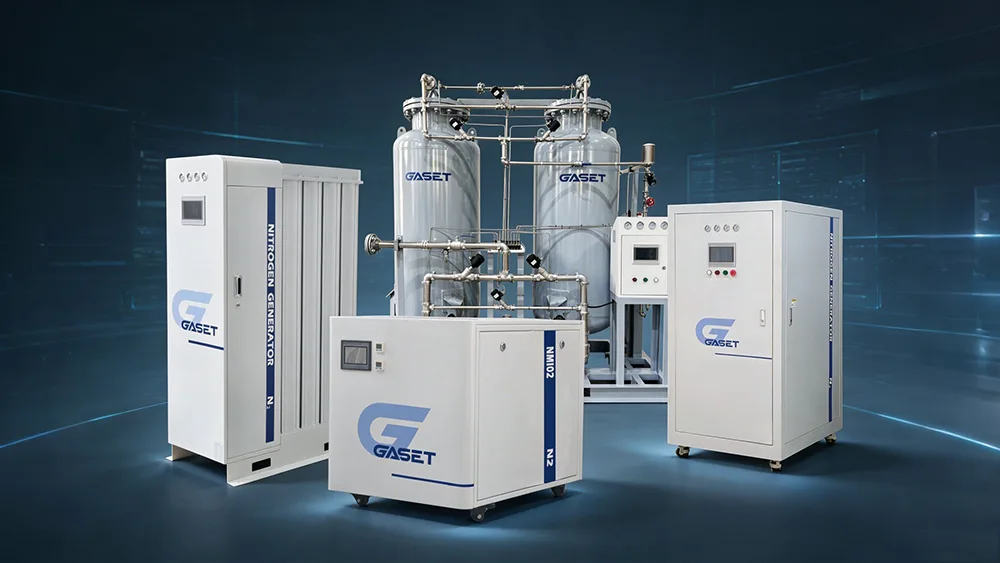
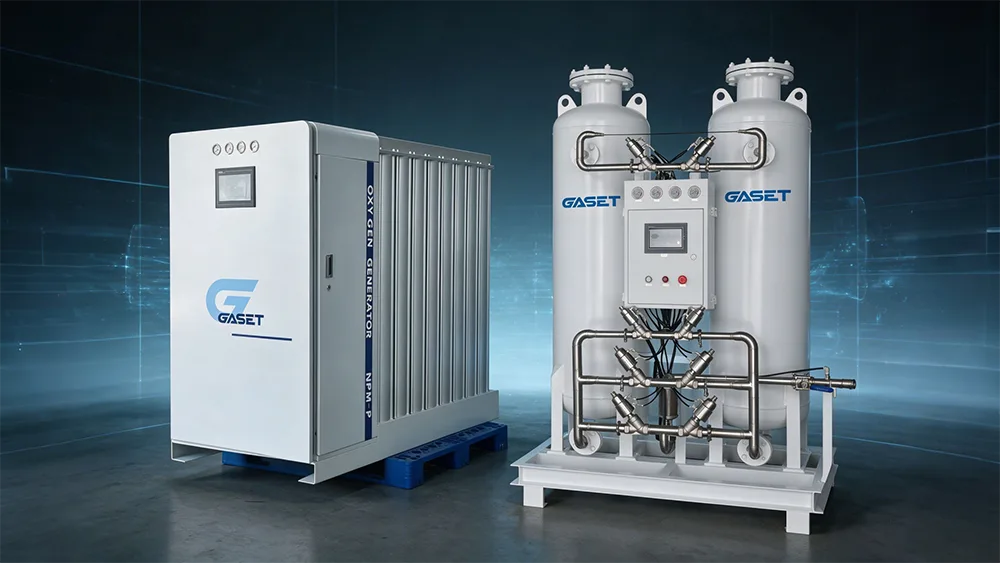
Which Twin-Tower Oxygen Generators Eliminate Glass Kiln Oxygen Fluctuation & Scrap Losses?

2026-08-05 0 Leave me a message

Global handmade glass workshops, cosmetic ampoule manufacturers and beverage bottle production lines face two core production losses from generic oxygen supply equipment: unstable oxygen purity and pressure fluctuations during furnace load shifts trigger glass blister, stripe and transparency defects, while ordinary PSA machines cannot resist high-temperature dust workshop erosion, leading to frequent molecular sieve blockage and unplanned line shutdowns. Many gas equipment suppliers only provide universal oxygen units without glass blowing customized anti-high-temperature structure, requiring factories to add secondary filtration and heat insulation accessories, raising long-term maintenance labor costs. GSE Tech tailor-made twin-tower oxygen generator for glass blowing adopts kiln-adaptive PSA framework with multi-stage dust-oil purification and high-temperature resistant molecular sieve, stabilizing continuous oxygen output during two/three-shift production and cutting defective product rate caused by inconsistent oxy-fuel combustion.

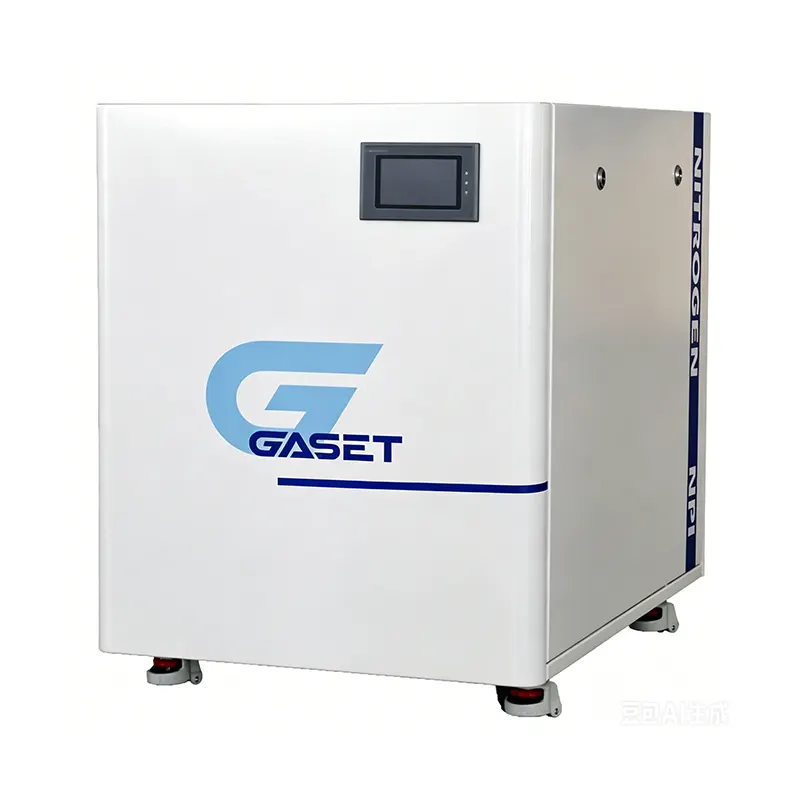
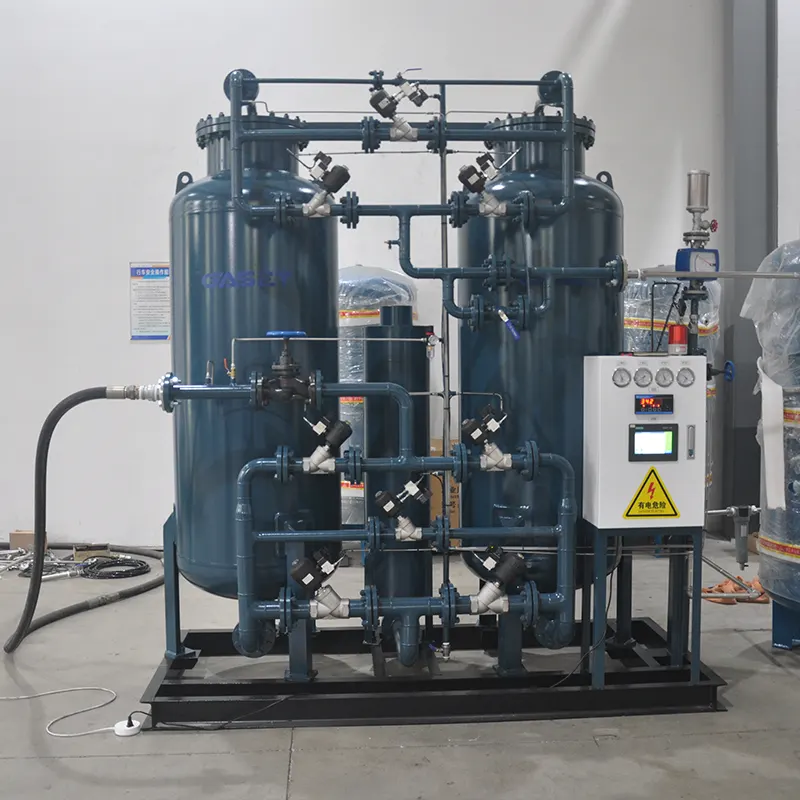
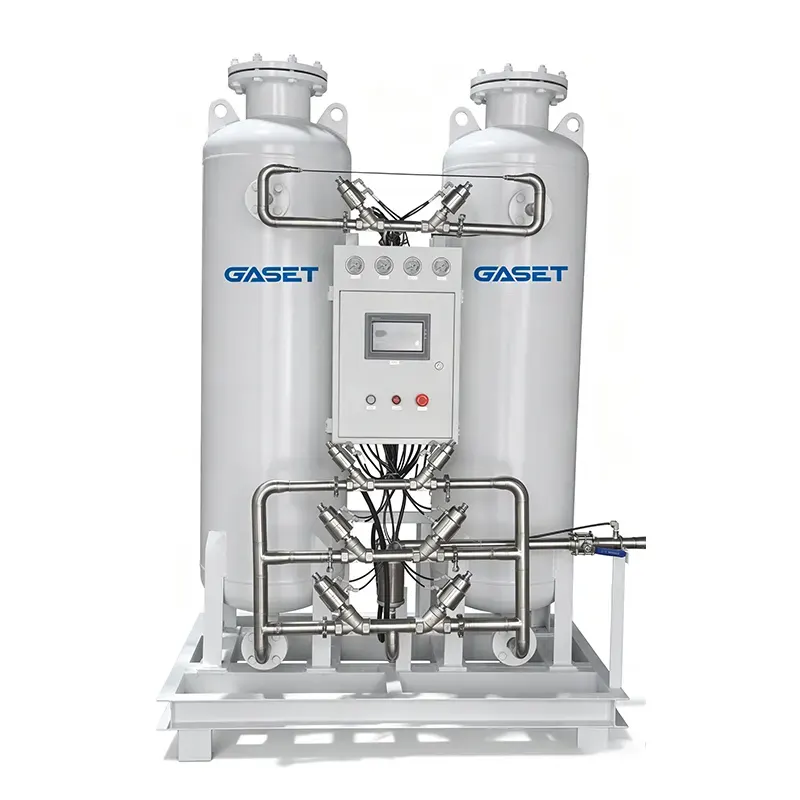
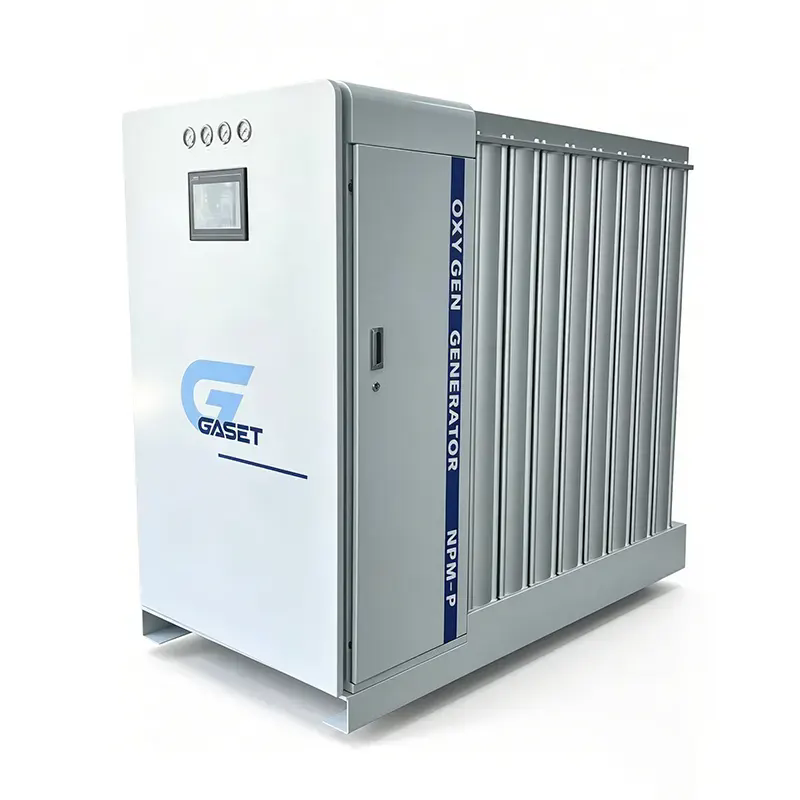
Twin-Tower Oxygen Generator for Glass Blowing

1. Kiln-adaptive alternating twin-tower cycle avoids oxygen pressure drop during furnace load swing

Conventional single adsorption tower oxygen machines must pause gas supply for sieve regeneration; ordinary dual-tower equipment lacks matched buffer pressure stabilization modules, resulting in instantaneous oxygen flow drop when glass furnaces ramp up melting power. This glass-specialized twin-tower unit sets independent pressure balance tank between adsorption towers, realizing seamless switching of pressurized adsorption and pressure relief desorption. Even during peak furnace heating and intermittent blowing mold replacement, oxygen purity maintains stable 90%-93% without pressure fluctuation, eliminating cloudy glass and bubble waste generated by uneven flame temperature from unstable oxygen combustion.

2. Multi-layer composite purification system blocks glass workshop high-temperature dust intrusion

Glass melting workshops fill floating quartz powder and high-temperature flue dust; simple single filter oxygen equipment easily lets fine particles enter the adsorption cavity, blocking molecular sieve micropores and rapidly decaying oxygen separation efficiency. This machine equips three-stage air pretreatment units for dust interception, oil removal and temperature reduction before air enters towers, forming a complete barrier against glass workshop mixed pollutants. The layered filter cartridge can be disassembled for regular cleaning without dismantling the main tower body, extending molecular sieve service cycle and reducing monthly filter replacement spare parts expenditure for glass factories.

3. High-temperature resistant molecular sieve maintains stable separation under long kiln radiant heat

Standard industrial molecular sieves lose nitrogen adsorption capacity under long-term 40℃+ radiant heat from melting furnaces, causing gradual oxygen purity decline after several months of operation. The glass dedicated oxygen generator fills high-temperature modified zeolite inside thickened carbon steel towers, which still maintains complete desorption regeneration performance under continuous workshop thermal radiation. After 72-hour full-load simulation kiln operation verification, oxygen output fluctuation range is controlled within ±1%, matching long-cycle uninterrupted two-shift and three-shift glass production rhythm.

4. Intelligent PLC load tracking matches dynamic kiln combustion power demand

Fixed-output oxygen generators keep constant gas volume regardless of furnace start-stop and blowing output changes, wasting electricity during low-production off-peak hours and insufficient oxygen during mass melting periods. Built-in real-time flow sensing control system automatically adjusts tower switching frequency and air intake volume according to actual oxygen consumption of glass lines. When workshops suspend partial blowing stations at night, the machine automatically enters low-power energy-saving mode; peak melting periods instantly raise oxygen supply capacity, balancing finished product yield and daily power consumption cost for glass manufacturers.

5. Anti-corrosion thickened tower & frame adapts harsh glass workshop environment

Ordinary thin steel adsorption tanks and ordinary paint frames produce rust and peeling paint under long-term alternating high temperature and dust accumulation, and micro rust particles pollute internal gas circuit to affect glass quality. All tower bodies adopt thick pressure-resistant carbon steel with double anti-rust primer and high-temperature electrostatic topcoat; the whole machine frame uses heat-resistant anti-aging spraying technology. After dry-wet alternating and dust accumulation durability testing, no rust or paint peeling occurs within 5 years of workshop operation, avoiding metal impurity pollution of oxygen sources that leads to glass surface spot defects.

6. Complete pressure vessel & continuous operation test documents speed factory acceptance

Many small gas equipment factories only provide simple delivery slips without full-load continuous operation and pressure vessel inspection records; glass factory project acceptance and safety supervision inspections will be delayed due to incomplete archives. Each glass blowing twin-tower oxygen generator passes independent water pressure air tightness test and 72-hour full-load continuous operation test before delivery, attached with tower material certificates, whole machine durability test reports and special equipment registration files. Complete documentation supports one-time pass of factory safety inspection and production line access without supplementary third-party testing fees.

Related News
Leave me a message
X
We use cookies to offer you a better browsing experience, analyze site traffic and personalize content. By using this site, you agree to our use of cookies.Privacy Policy
RejectAccept